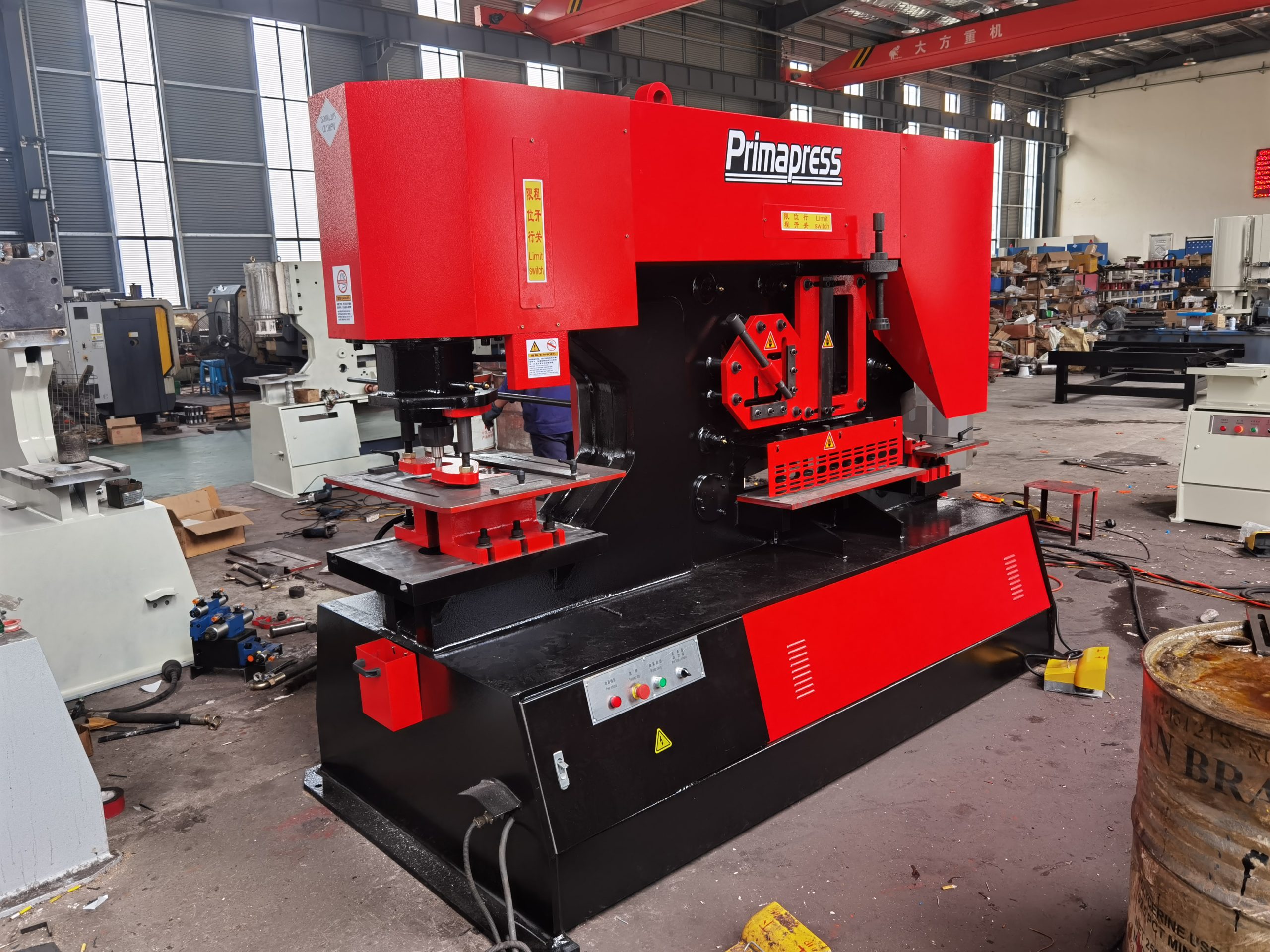
Metal fabrication shops rely on ironworker machines to cut, punch, and notch materials. The right ironworker notcher tooling makes a huge difference in daily operations. Shops need clean cuts and exact shapes to build strong structures. Choosing the correct tools saves time and reduces waste. Operators must understand the different options available for their specific tasks. Standard tools handle common jobs well. Special projects might need custom shapes. The material of the tool also matters a lot. Harder steel lasts longer under heavy use. Setting up the machine quickly keeps the workflow moving. This guide covers the main factors to consider when picking tools for your ironworker. We will look at standard options, custom designs, material choices, and setup speeds. Making smart choices here keeps your shop running smoothly and profitably.

Standard Notching Tools for Ironworker Machines
Most metal shops start with standard ironworker notcher tooling. These tools come ready to handle everyday tasks. Fabricators use them to cut basic shapes out of steel plates and angles. Buying standard tools is usually cheaper and faster than ordering special designs. They fit right into the machine without extra modifications. Operators can swap them out easily when the job changes. Keeping a good stock of standard tools helps the shop take on a wide variety of work.
Angle Notching and Rectangular Notching Tools
Angle notching tools cut precise corners out of metal angles. This allows two pieces to fit together perfectly for welding. Rectangular notching tools remove square or rectangular sections from flat plates. These shapes are common in frame building and structural steel work. Both types of tools use a shearing action to slice through the metal. The blades must stay sharp to prevent bending the material. Clean cuts mean less grinding and finishing work later. Shops use these basic shapes on almost every structural project. Having both angle and rectangular tools on hand covers the majority of standard fabrication needs.
Standard Tool Sizes and Applications
Standard tools come in fixed sizes to match common material dimensions. A shop might keep tools that notch up to four inches deep. Other tools might handle thicker plates up to half an inch. The size of the tool must match the capacity of the ironworker machine. Using a tool that is too large can damage the machine. Using one that is too small wastes time taking multiple bites. Fabricators choose sizes based on the typical thickness and width of their stock metal. Matching the tool size to the application ensures safe operation and accurate results.
Custom Tooling Solutions for Ironworker Notchers
Sometimes standard tools do not fit the job. Complex projects require custom ironworker notcher tooling to achieve specific shapes. Fabricators design these special tools to match exact blueprint dimensions. Custom tools eliminate secondary machining steps. The ironworker produces the final shape in one stroke. This approach works well for specialized manufacturing runs. Ordering custom tools requires close communication with the tool maker. The shop must provide exact drawings and material specifications. The investment pays off when the shop wins contracts requiring unique parts.
Special Profiles and Non-Standard Geometries
Special profiles include curves, V-shapes, or complex polygons. Non-standard geometries do not fit the usual ninety-degree angles. A fabricator might need a tool that cuts a specific radius for a pipe saddle. Another job might require a trapezoid shape for a custom bracket. Creating these profiles involves precise machining of the punch and die. The clearance between the cutting edges must match the metal thickness. Proper clearance prevents burrs and extends the life of the custom tool. These unique shapes give shops the ability to bid on specialized work that competitors cannot handle easily.
Custom Dies for Repetitive Production
Repetitive production demands high accuracy over thousands of cycles. Custom dies built for mass production feature exact tolerances. They ensure every part looks identical. Manufacturers use these dies to stamp out brackets, gussets, or connection plates. The die design often includes locators or stops. These features position the raw material exactly the same way every time. Operators simply load the metal against the stop and activate the machine. This process removes human error from the layout phase. High-volume shops rely on these dedicated dies to maintain strict quality control and fast output rates.
Tool Material and Durability in Ironworker Notching
The metal used to build the tools dictates their performance. High-quality ironworker notcher tooling resists chipping and cracking. Notching thick steel creates massive shock loads. The tool material must absorb this impact without failing. Cheap tools wear out fast and leave rough edges on the workpiece. Investing in premium tool steel saves money over time. Shops must also consider how the steel is treated during manufacturing. Proper heat treatment brings out the best properties of the metal. Understanding material science helps buyers choose tools that last.
Tool Steel Selection and Heat Treatment
Manufacturers build notching tools from specific grades of tool steel. Common choices include D2 or A2 steel. These alloys contain carbon and chromium for hardness. The steel starts in a soft state for machining. After shaping, the tool goes through heat treatment. This process involves heating the steel to a high temperature and cooling it rapidly. The cooling method changes the internal structure of the metal. It makes the cutting edges extremely hard. A final tempering step reduces brittleness. This careful balance of hardness and toughness allows the tool to cut steel without snapping.
Wear Resistance and Tool Life
Wear resistance determines how long a tool stays sharp. Friction between the tool and the workpiece dulls the edges over time. Harder steels resist this friction better. Some tools receive special surface coatings to reduce wear even more. These coatings act as a lubricant during the cutting stroke. A tool with high wear resistance produces clean cuts for a longer period. Operators notice when tool life decreases because the machine requires more force. The cut edges might show heavy burrs. Replacing or sharpening worn tools restores the machine to peak performance. Tracking tool life helps shops plan maintenance schedules.
Tool Change and Setup Efficiency
Time spent changing tools is time lost from production. Modern ironworker notcher tooling focuses on fast setup. Shops need to switch between different jobs quickly to stay profitable. Complex setups frustrate operators and slow down the workflow. Manufacturers design features that make positioning simple. Good setup practices also improve safety. A securely mounted tool prevents accidents during operation. Evaluating how fast a tool installs helps buyers choose the right system for their shop.
Quick-Change Tooling Systems
Quick-change systems use pins, clamps, or hydraulic locks to secure tools. Operators do not need wrenches or heavy hammers to swap parts. They simply release the lock, slide the old tool out, and insert the new one. The system automatically lines up the punch and die. This precision removes the need for manual adjustment. Quick-change setups are popular in job shops that handle many small orders. An operator might change tools five times a day. Saving ten minutes per change adds up to significant time over a week. These systems keep the ironworker running and generating revenue.
Impact on Productivity and Downtime
Fast setups directly increase shop productivity. Less downtime means more parts get finished each shift. Operators spend their time feeding material rather than adjusting bolts. Reduced downtime also lowers operator fatigue. Simple tasks keep the workflow steady and predictable. When a machine sits idle during a long setup, the entire production schedule falls behind. Efficient tooling systems prevent these bottlenecks. Shop managers track setup times to find areas for improvement. Upgrading to faster tooling often provides a quick return on investment through higher daily output.