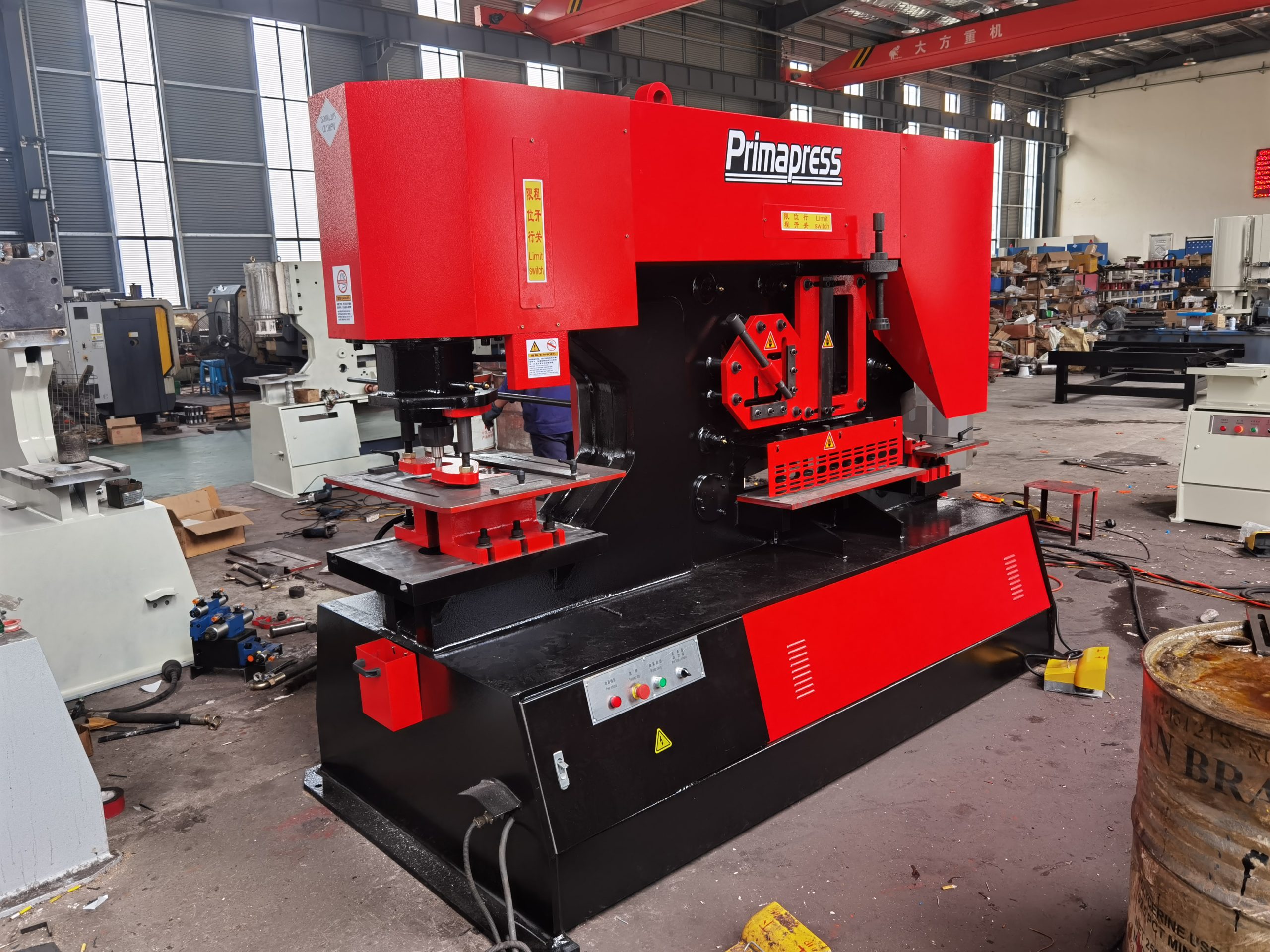
Hydraulic presses are some of the most essential machines in the world of metalworking, manufacturing, and forming operations. From small garage workshops to high-capacity industrial plants, their force output makes them useful for bending, shaping, pressing, and crushing a wide range of materials. But just how powerful is a hydraulic press—and what determines that power? Let’s break it down clearly and practically.
What is a Hydraulic Press?
A hydraulic press is a machine that uses hydraulic fluid pressure to generate compressive force. This system relies on the principle of Pascal’s Law: when pressure is applied to a confined fluid, it transmits that pressure equally in all directions. This mechanical setup usually consists of a pump, a hydraulic cylinder, and a strong frame to support the applied force. Hydraulic presses can range from compact benchtop models to massive presses capable of exerting thousands of tons.
What Does “Power” Mean in a Hydraulic Press?
Definition of “press power”
When people talk about the “power” of a hydraulic press, they usually refer to its pressing force. This is measured in tons or kilonewtons (kN). One ton equals roughly 8.9 kilonewtons. This force determines what materials the press can handle and how deep or detailed the forming operation can be.
Difference between motor power (kW) and pressing force (tons)
Motor power, measured in kilowatts (kW), is different from pressing force. While the motor drives the hydraulic pump, it does not directly determine the press force. A small motor can create high pressing force if the hydraulic system is properly designed. Pressing force depends more on system pressure and cylinder size.
Relationship between hydraulic pressure and press force
Hydraulic pressure, often measured in bar or psi, interacts with the cylinder area to create pressing force. Higher pressure or a larger cylinder increases the total force. That’s why heavy-duty presses often operate at high pressures and use large-diameter cylinders.
Formula: Force = Pressure × Area
This simple formula highlights the relationship: Force (in Newtons) equals hydraulic pressure (in Pascals) times the piston area (in square meters). It’s a straightforward calculation that explains how changing pressure or cylinder size impacts overall force.
Tonnage Range of Hydraulic Presses
Light-duty presses: 1–20 tons
These are typically used in small workshops for tasks such as bearing installation, minor bending, or compacting materials. They’re portable and simple to operate.
Medium-duty presses: 50–200 tons
Common in general fabrication shops, these machines handle moderate forming, punching, and trimming. They’re versatile and offer a balance of power and size.
Heavy-duty industrial presses: 300–2000+ tons
Found in metal stamping plants and heavy equipment manufacturing, these presses shape large parts with high accuracy. They require robust frames and reinforced tooling.
Extra-large custom presses: up to 10,000 tons or more
Used in aerospace, automotive, and shipbuilding industries, these hydraulic presses are designed for deep drawing, large mold forming, or compression of massive materials.
Is Motor Power Directly Related to Pressing Force?
Motor power is not directly equivalent to pressing force in a hydraulic press. The motor primarily provides the power required to drive the hydraulic pump, which generates the pressure needed to move the hydraulic fluid. The actual pressing force, however, depends on several factors such as the size of the cylinders, the hydraulic pressure, and the area of the ram or piston. While a larger motor can potentially increase the overall efficiency and speed of the press, it doesn’t automatically translate to a higher pressing force. The force is more directly influenced by the hydraulic system’s design and its pressure capabilities.
What Determines the Pressing Power of a Hydraulic Press?
1. Cylinder Size
The size of the cylinders plays a crucial role in determining the pressing power. A larger bore diameter allows for more hydraulic fluid to be pushed through, thus increasing the force generated. The stroke length also affects how far the piston can travel, which influences the total pressure applied on the material.
2. Hydraulic System Pressure
The pressure within the hydraulic system directly impacts the force applied by the press. Higher pressure means greater force, as pressure is a key factor in creating the force needed to deform materials. A system running at 300 bar will produce more force than one operating at 100 bar, assuming the cylinder area is the same.
3. Frame Structure
The type of frame structure determines the stability and capacity of the press. A C-frame is ideal for lighter applications, while an H-frame or 4-post frame can provide the necessary support for heavier and more complex operations. A sturdy frame helps in distributing the load evenly, improving both precision and efficiency.
4. Number of Cylinders
The number of cylinders involved in the press mechanism also influences its force output. Single-ram presses are suitable for simpler tasks, while double- or multi-ram designs provide more controlled force distribution and are often used in larger or more complex operations, offering more versatility in application.
5. Tooling and Die Configuration
The configuration of the tooling and dies is another determinant. Proper tooling ensures that the applied force is distributed evenly across the material, preventing damage and improving product quality. Different die designs can also impact the press’s performance, especially in tasks like stamping or deep drawing, where precision is critical.
What Can a Hydraulic Press Crush or Bend?
Sheet Metal: Mild Steel, Stainless, Aluminum
Hydraulic presses are commonly used to shape sheet metal materials, such as mild steel, stainless steel, and aluminum. The force applied by the press can flatten, cut, or bend these materials into various shapes. It’s especially effective for producing parts for the automotive, construction, and electronics industries.
Forged Parts and Billets
These solid metal pieces are heated and then pressed to create different shapes and sizes, a crucial process for producing components like engine parts, tools, and machinery.
Metal Sheets into Complex Shapes (Deep Drawing)
For deep drawing, hydraulic presses are used to mold metal sheets into intricate shapes. This is particularly important in the automotive industry for creating parts like car body panels. The press applies consistent force to prevent wrinkles and tears in the material.
Bearing Bushings, Fittings, Filters
Hydraulic presses are capable of forming bearing bushings, fittings, and filters used in various mechanical and industrial applications. The high precision of the press ensures these components meet the required specifications for durability and function.
Non-Metals: Rubber, Plastic, Composites, Plywood
Hydraulic presses are also versatile enough to process non-metal materials like rubber, plastic, composites, and plywood. These materials can be molded, compressed, or shaped into desired forms, especially in the manufacturing of gaskets, seals, and plastic products.
Applications
Hydraulic presses are widely used in the production of parts and equipment in many industries.
Automotive Industry: Hydraulic presses are essential in the automotive sector, used for manufacturing parts like body panels, gears, and engine components. The precision and force they provide are crucial for shaping and forming metal parts required for vehicles.
Manufacturing and Production: In the manufacturing industry, hydraulic presses are used for stamping, forming, and bending metal components. They are highly efficient in mass production environments where consistent, high-quality parts are needed.
Aerospace Industry: The aerospace sector utilizes hydraulic presses for forming complex, high-strength materials into precise shapes for aircraft and spacecraft. These presses handle metal alloys and composite materials, which are vital for aviation applications.
Plastic and Rubber Processing: Hydraulic presses are also employed to mold plastics, rubber, and composite materials into desired shapes, including items like seals, gaskets, and electrical components. The control over force and temperature makes them suitable for these tasks.
Construction Industry: In construction, hydraulic presses are used to create structural components like beams, columns, and other heavy-duty parts. They are also involved in the production of construction machinery parts, offering both versatility and reliability.
Can You Adjust or Control Hydraulic Press Power?
Pressure relief valve settings
Operators can regulate maximum force by adjusting the pressure relief valve. This helps prevent tool damage and ensures consistent output.
Proportional or servo hydraulic control
Advanced systems include proportional or servo valves, which enable precise control of force, speed, and stroke position. These are useful in industries requiring high repeatability.
Manual vs CNC-controlled hydraulic presses
Manual presses are simpler and cost-effective, while CNC models allow programmable operations, real-time monitoring, and integration into automated lines.
Variable power depending on task
Modern presses allow the user to change tonnage based on the specific forming or pressing operation, saving energy and reducing wear.
Safety Considerations of Powerful Hydraulic Presses
Proper Training for Operators: Operators should receive thorough training on the machine’s functions and safety protocols. This ensures they are prepared to handle any emergencies, operate the press correctly, and understand its limitations.
Protective Guards and Shields: Hydraulic presses should be equipped with protective guards to prevent operators from coming into contact with the moving parts. Shields or barriers should be used around the work area to reduce the risk of injury.
Pressure Relief Systems: To prevent the hydraulic system from exceeding safe pressure limits, pressure relief valves should be installed. These systems are essential for preventing equipment damage and ensuring that the press operates within safe pressure ranges.
Regular Maintenance and Inspections: Routine maintenance and inspections are vital for identifying any potential issues before they lead to accidents. This includes checking hydraulic lines, cylinders, and seals for wear and tear.
Emergency Stop Mechanisms: Hydraulic presses should be equipped with easily accessible emergency stop buttons. These buttons allow operators to quickly shut down the press in case of a malfunction or unexpected situation, minimizing risk to personnel.